Column · @rylanrpsl496
Body Contouring Farmington Hills: Creating a Personalized Beauty Plan


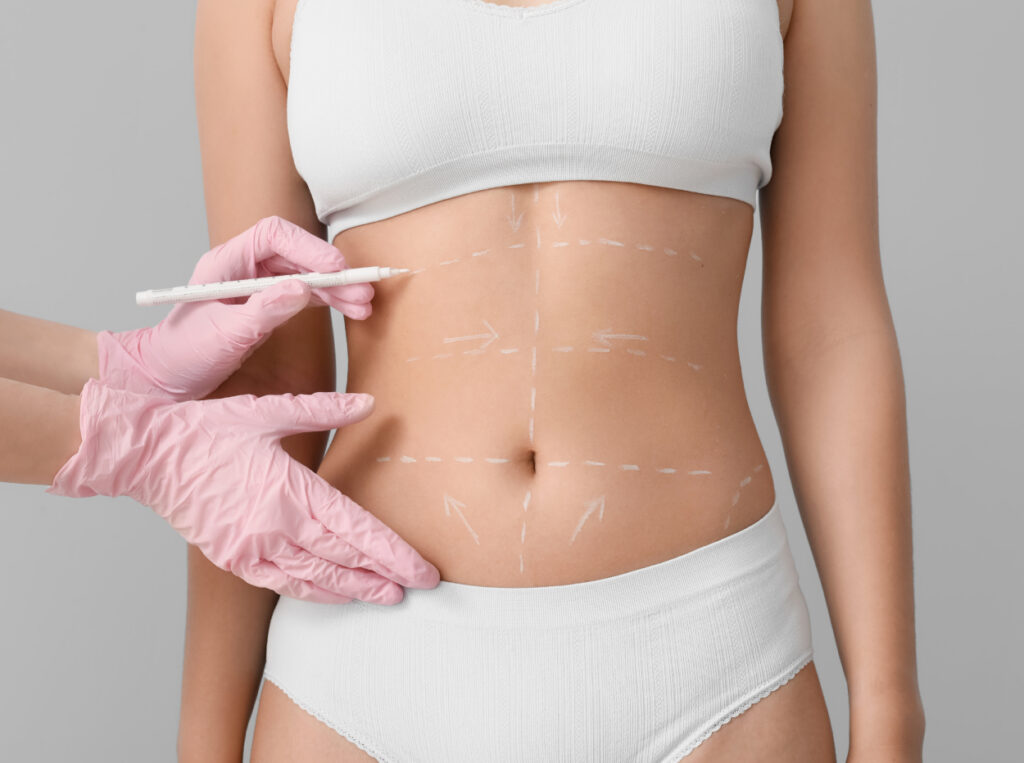
Body contouring is one of those categories in aesthetic medicine that sounds simple until you sit down and map out what a real plan should look like. Most people do not walk into a consultation asking for a generic treatment. They usually want something much more specific. A smoother abdomen after weight loss. Better definition along the waist. Less fullness under the chin. Firmer skin on the upper arms that no longer matches how fit they feel.
That is why the phrase Body Contouring Farmington Hills matters best when it is tied to customization. The right plan is never just about removing fat or tightening skin in isolation. It is about matching treatment to anatomy, goals, recovery tolerance, budget, and timing. A patient preparing for a wedding in four months needs a different strategy than someone willing to phase treatments over a year. A person with mild skin laxity may do beautifully with non-surgical options, while someone with significant loose skin after major weight loss may be disappointed if surgery is not at least part of the conversation.
The strongest beauty plans are built with judgment, not hype. They account for what can realistically change, what probably will not, and how multiple treatments may work together without overcomplicating the process.
What body contouring really means
Body contouring is an umbrella term. In practice, it can refer to non-invasive fat reduction, muscle toning technologies, skin tightening, cellulite treatments, injectable options for small areas, and surgical reshaping. Patients often lump all of these together because they share one goal: improving silhouette and proportion.
What gets overlooked is that each approach solves a different problem. Stubborn fullness at the flanks is not the same as crepey skin above the knees. A postpartum abdomen may involve fat, stretched skin, muscle separation, and scar history all at once. Treating only one layer can leave a patient wondering why the area still does not look balanced.
This is where experience matters. A seasoned provider does not begin by matching a person to a device. They begin by identifying what is actually creating the concern. Is it volume, laxity, texture, asymmetry, or some combination? Once that is clear, the treatment path becomes much more precise.
Why personalization matters more than the treatment name
Patients often arrive having researched a specific brand or modality. That is understandable. Marketing is everywhere, and many treatments promise impressive before-and-after transformations. The trouble starts when the treatment becomes the goal instead of the result.
A personalized beauty plan considers several variables at once. Skin quality is a major one. A patient in their early thirties with firm skin and a small pocket of lower abdominal fat may respond well to non-surgical fat reduction. Another patient with the same amount of fat but thinner, looser skin may need a different option because reducing volume without addressing laxity can actually make the area look less smooth.
Lifestyle also changes the equation. Someone who travels weekly for work may prefer a series of lunchtime appointments with almost no downtime. A teacher may schedule treatments around school breaks. A fitness enthusiast may be willing to pause workouts for a short recovery if the expected result is stronger.
There is also the question of temperament, which matters more than many clinics admit. Some patients are patient. They do well with gradual change over three to six months. Others want a more immediate transformation and become frustrated by incremental progress, even if the final result is good. Personality and expectations are part of treatment planning, not side notes.
The consultation should feel diagnostic, not sales-driven
A useful consultation has a certain tone. It is curious, detailed, and honest. You should feel that the provider is studying your anatomy and listening carefully, not simply moving through a script.
A strong assessment usually covers the history behind the concern. Did the area change after pregnancy, menopause, major weight loss, or simply with age? Has your weight been stable? Do you scar easily? Have you had prior liposuction, skin tightening, or injectable treatments? Old scar tissue, fibrotic areas, and previous procedures can all affect outcomes.
Physical examination matters just as much. Good providers assess pinch thickness, skin recoil, asymmetry, muscle tone, and where fullness actually sits. Many body concerns are three-dimensional. A front-facing mirror can make someone fixate on the lower abdomen, while the true culprit is often the transition between the flanks, waist, and lower back. Once that proportion changes, the stomach can look more balanced even without aggressive treatment to the center.
The best consultations also include restraint. If someone is not a good candidate for a given treatment, that should be said plainly. False reassurance helps no one.
Common goals patients bring into body contouring appointments
Most plans in Body Contouring Farmington Hills fall into a handful of patterns, even though each patient presents differently. The language may vary, but the goals are often familiar:
- reduce stubborn pockets of fat that have not responded to diet and exercise
- tighten loose or crepey skin in areas such as the abdomen, arms, or thighs
- create better definition at the waist, chin, or bra line
- improve the way clothing fits rather than chase a dramatic scale change
- restore confidence after pregnancy, weight loss, or age-related body changes
These goals sound straightforward, but they do not all respond to the same methods. That is where treatment matching becomes more important than treatment enthusiasm.
Matching the method to the anatomy
A patient with a small amount of localized fat and firm skin may be a classic candidate for non-surgical contouring. The appeal is obvious: minimal downtime, office-based treatment, and progressive change. But non-invasive methods have limits. They are usually best for contour refinement, not large-volume reduction.
Surgical body contouring offers a different level of change. Liposuction can reshape with precision, especially in areas like the flanks, abdomen, outer thighs, or under the chin. Excisional procedures such as tummy tucks or arm lifts become more relevant when excess skin is significant. There is no non-surgical treatment that truly duplicates what skin removal surgery can accomplish for the right candidate. Pretending otherwise sets up disappointment.
Then there are combination plans, which are often the most thoughtful. A patient might undergo liposuction for deeper contour change and later use skin tightening or collagen-stimulating treatments for surface refinement. Another might begin with non-invasive options to improve one area and postpone surgery for a larger reset later. Good planning leaves room for sequencing rather than assuming one appointment should do everything.
The difference between fat reduction and skin tightening
This distinction deserves more attention because it is one of the biggest sources of confusion.
Fat reduction aims to decrease volume. It works best when the issue is fullness. Think of the small lower-belly bulge that persists despite regular exercise, or the bra-line fullness that shows through fitted clothing.
Skin tightening aims to improve firmness, elasticity, and surface drape. It matters when the issue is looseness, wrinkling, or a mild sagging effect. Areas like the upper arms, above the knees, neck, and lower face often bring this concern to the forefront.
When patients mix these up, outcomes suffer. If an area already looks loose, taking away volume without a strategy for skin support can exaggerate laxity. On the other hand, trying to tighten a zone that is primarily heavy with fatty fullness may produce subtle improvement but not enough shape change to satisfy the patient.
This is why a provider may recommend treating fewer areas, but treating them more appropriately. It is usually smarter to correct one zone well than to scatter treatments across five regions and get only partial improvement everywhere.
Beauty planning after pregnancy or weight loss
Two groups tend to need especially individualized planning: postpartum patients and people who have lost a substantial amount of weight.
Postpartum contouring requires patience. The body continues to settle for months, and some concerns improve naturally as swelling decreases and core strength returns. At the same time, pregnancy can create changes that do not resolve on their own, such as abdominal muscle separation, stretched skin, and altered fat distribution. A woman may return to her pre-pregnancy weight and still feel unfamiliar in her own body because structure, not just size, has changed.
Weight loss patients present another layer of complexity. Many have worked extraordinarily hard and are physically healthier than ever, yet they feel stuck because loose skin hides their progress. This is not vanity. It is often about comfort, clothing, exercise, and finally wanting the outside to reflect the effort already invested. For these patients, non-surgical tightening may help in milder cases, but moderate to severe skin redundancy usually requires a frank discussion about surgery if the goal is a meaningful transformation.
Creating a realistic timeline
One of the most practical parts of planning is timing. Results rarely unfold overnight, even when the treatment https://maps.app.goo.gl/C7R83h4BFVWygmYv7 itself is fast. Swelling, collagen remodeling, and tissue settling all move at biological speed.
For non-surgical contouring, visible improvement often emerges gradually over weeks to months. Some patients notice early changes in how clothes sit before they see clear mirror changes. Surgical contouring can create more dramatic structural change, but recovery and final refinement still take time. Swelling can linger. Scar maturation can take many months. The body needs a chance to settle into its new shape.
This matters if you are planning around a major event. If someone has a reunion in six weeks, that narrows what is sensible. If the event is nine months away, planning becomes more flexible and often more effective.
A practical timeline conversation should cover:
- when initial changes are likely to appear
- how many sessions may be needed
- what downtime or exercise restrictions apply
- when photos will realistically look representative
- whether maintenance treatments make sense later
These details may sound mundane, but they often determine whether a patient feels pleased with the process or blindsided by it.
The role of weight stability and fitness
Body contouring is not a substitute for broad weight loss, and the best providers say that early. Most contouring treatments work best when someone is already near a sustainable weight and dealing with stubborn areas rather than total-body change.
Weight fluctuations after treatment can blunt or distort the outcome. If someone loses another 25 pounds after contouring, proportions may shift again and skin laxity may increase. If they gain weight, the treated and untreated areas may change in uneven ways. That does not mean a person must be at a perfect number. It means they should be reasonably stable and living in a way they can maintain.
Fitness contributes too, though not always in the obvious way. Strong core tone can improve how the abdomen carries itself. Muscle mass in the glutes, shoulders, and legs can create a more athletic silhouette that makes contouring results look better overall. A beauty plan works best when it respects the body as a whole system, not as isolated trouble spots.
Budgeting without losing the plot
Cost belongs in the conversation, but it should not drive the plan so aggressively that the final result makes little sense. A fragmented approach can become surprisingly expensive. Patients sometimes choose multiple lower-impact treatments over time because each step feels manageable, only to spend more than they would have on a more definitive option.
That does not mean surgery is always the answer or that premium-priced treatments are inherently better. It means value depends on fit. The right question is not simply, “What is the cheapest way to treat this area?” It is, “What is the most sensible way to reach the result I actually want?”
A good provider will be able to explain trade-offs clearly. Perhaps option A has almost no downtime but milder change. Option B costs more upfront and requires recovery but may address both volume and shape in one step. Option C may work only if expectations are modest. Clarity saves money because it prevents people from buying treatments that were never well matched to their goals.
How to evaluate results honestly
The mirror is emotional territory. Patients can be thrilled one day and critical the next, especially during the middle stages when swelling has not fully resolved or change is still developing. That is why objective tracking helps.
Standardized photos matter more than many expect. Same lighting, same angles, same posture. Clothing fit is another useful marker. A waistband that sits flatter or a dress that no longer catches at the flanks often reflects real progress before the eye fully trusts it.
It also helps to define success before treatment starts. Is the goal to look better in a swimsuit? To smooth a specific bulge in tailored clothing? To sharpen the jawline in profile? Vague goals lead to vague satisfaction. Specific goals are much easier to measure.
Red flags patients should not ignore
Not every aesthetic practice approaches body contouring with the same level of care. A few warning signs are worth taking seriously.
If a consultation skips examination and jumps straight to pricing, that is a problem. If every concern somehow leads to the same treatment, that is another. If a provider promises dramatic change from a modality known to be modest, trust your instincts. Ethical aesthetics relies on accurate patient selection. Overselling is not just annoying, it can leave patients discouraged and less willing to seek appropriate care later.
Another concern is pressure to treat too many areas at once. Sometimes that recommendation is medically reasonable. Often, it reflects sales logic more than anatomical logic. Thoughtful planning usually has priorities. It identifies the area that will create the biggest visual improvement first, then builds from there if needed.
Why local context matters in Farmington Hills
When people search for Body Contouring Farmington Hills, they are not only looking for a treatment menu. They are looking for accessible expertise, continuity, and a practice environment where planning feels personal rather than transactional.
Local care matters because body contouring is rarely one-and-done from a relationship standpoint. You may need follow-up visits, progress photography, scar checks, staged treatments, or maintenance over time. It helps to work with a team that understands your history and can adapt the plan if your goals change.
Farmington Hills patients also come from varied routines and life stages. Busy professionals may want minimal interruption to work. Parents may need treatment windows that fit school schedules. Adults in midlife often want subtle refinement that looks polished, not overdone. That kind of real-life tailoring is where a local provider with strong consultation skills becomes far more valuable than any single device on the market.
Building a plan that ages well
The most satisfying contouring plans are not always the most aggressive. They are the ones that still make sense a year later. They account for how the body changes with age, hormones, exercise habits, and time.
A young patient chasing tiny imperfections can sometimes benefit from restraint. Over-treatment can create irregularities or an overworked look that was never necessary. On the other hand, a patient in their fifties or sixties may benefit from a broader approach that combines contouring with skin quality treatments, because shape and texture often age together.
This is where professional judgment becomes visible. Anyone can say yes. A skilled provider knows when to recommend less, when to stage treatment, and when to redirect someone toward a different option entirely.
A personalized beauty plan should feel both strategic and human
At its best, body contouring blends science with aesthetics. Measurements, tissue quality, and treatment parameters matter. So do lived concerns, the way clothes fit, how a patient carries themselves, and what level of change feels authentic to them.
A personalized plan does not chase perfection. It aims for proportion, confidence, and results that make sense on your body, in your life, and on your timeline. That may mean one carefully chosen non-surgical treatment. It may mean a staged combination approach. For some, it may mean deciding that now is not the right time, and revisiting the conversation after weight stabilizes or life becomes less hectic.
That kind of honesty is not a limitation. It is the foundation of good aesthetic care. And for anyone exploring Body Contouring Farmington Hills, it is the clearest path to results that look considered, balanced, and genuinely worth the investment.
Aesthetic Plastic Surgery & Laser Center, Michelle Hardaway M.D.
Address: 27920 Orchard Lake Rd, Farmington Hills, MI 48334
Phone number: +12482211957
FAQ About Body Contouring Farmington Hills
What does body contouring actually do?
Body contouring (or body sculpting) eliminates stubborn localized fat, tightens loose, sagging skin, and reshapes your silhouette. It is not a weight-loss tool, but rather a cosmetic procedure used to refine and tone specific trouble spots after major weight loss, pregnancy, or aging.
How much does body contouring usually cost?
The total cost of body contouring usually ranges from $2,000 to $25,000+ depending entirely on whether you choose non-surgical sessions or major surgical procedures.
Because "body contouring" covers everything from simple fat-freezing to comprehensive post-weight-loss surgeries, pricing is heavily categorized by the method used.
What is the best type of body contouring?
Liposuction is a huge topic and worth discussing in more detail, but in terms of body contouring and sculpting, nothing does the job better than liposuction, particularly VASER liposuction.