Column · @rylanrpsl496
Liposuction Farmington Hills vs Non-Surgical Fat Reduction: What to Know
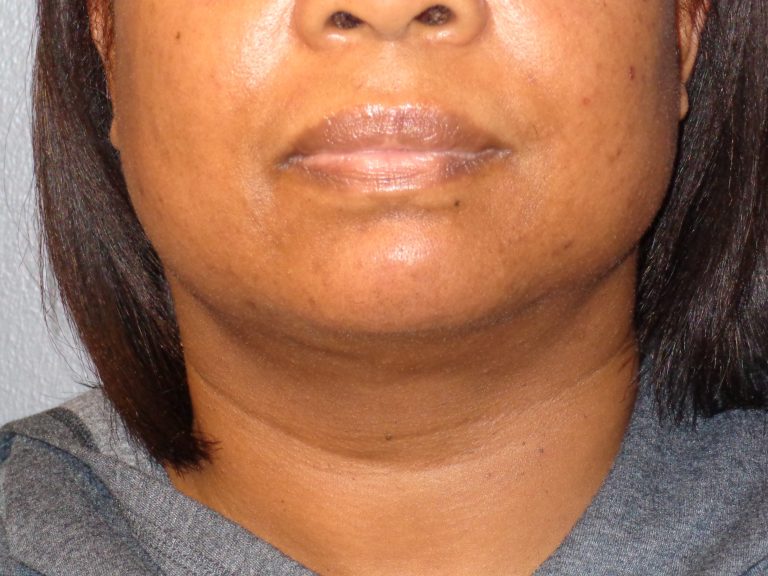
People often arrive at this decision after doing many things right. They have cleaned up their diet, started walking or lifting regularly, and watched the scale move, only to find that one area refuses to cooperate. For one person it is the lower abdomen after pregnancy. For another it is fullness under the chin despite a lean frame. Someone else may be frustrated by love handles that still show through tailored clothing after losing twenty pounds.
That is usually the moment when the conversation turns from weight loss to body contouring. And that is where confusion starts. Liposuction and non-surgical fat reduction are often grouped together as if they are interchangeable. They are not. They can both reduce stubborn fat, but they work differently, demand different levels of commitment, and produce very different types of results.
If you are researching Liposuction Farmington Hills options or comparing surgery with a non-surgical treatment, the best place to start is not with a sales pitch. It is with a realistic understanding of what each method can and cannot do.
The real difference is not just surgery versus no surgery
On paper, the distinction sounds simple. Liposuction is a surgical procedure that physically removes fat through small incisions. Non-surgical fat reduction uses external devices or injectables to damage fat cells so the body can gradually clear them away.
In practice, the gap is wider than that.
Liposuction is a reshaping procedure. A skilled surgeon can target a specific pocket of fat, contour around natural anatomy, and create a cleaner transition between areas. That matters more than many patients realize. Taking volume away is only part of the job. The other part is deciding where that reduction should begin and end so the result looks balanced from every angle.
Non-surgical fat reduction is more gradual and more limited. It tends to work best for smaller, well-defined pockets of pinchable fat. It can soften an area. It usually cannot sculpt it with the same precision. Patients who go in expecting a dramatic transformation often leave disappointed, not because the treatment failed, but because the treatment was never designed to deliver a liposuction-level change.
That distinction alone can save someone months of frustration and a fair amount of money.
What liposuction is actually good at
Liposuction has stayed relevant for decades because it does one thing very well. It removes fat directly and predictably from areas that have not responded to lifestyle changes. Common treatment areas include the abdomen, flanks, thighs, upper arms, back, submental area under the chin, and sometimes the chest in appropriate male patients.
The best candidates are usually close to a stable weight, with localized fat deposits and skin that still has some elasticity. That last point matters. Removing fat is one part of contouring. The skin then has to contract over the new shape. Younger patients often have an easier time with that, but age alone does not decide it. I have seen fifty-year-olds with excellent elasticity and thirty-year-olds whose skin had been stretched enough by weight fluctuations that it did not rebound the way they hoped.
Patients sometimes assume liposuction is only about volume. It is often more about proportion. A person may not need a major reduction in total body fat to look markedly different in clothing. Removing a focused amount from the lower abdomen and waist can change the way pants fit. Refining the bra roll area can make a fitted dress sit flatter. A small amount under the chin can sharpen the jawline in a way that reads as rested and fit.
That is why the consultation matters so much. Good surgeons do not just ask, “What bothers you?” They also study posture, baseline asymmetry, skin quality, and how one area relates to the next. People are rarely perfectly symmetrical to begin with. If a patient understands that upfront, they tend to be much happier after surgery because the goals are grounded in anatomy, not filtered photos.
What recovery from liposuction really feels like
Many people are less afraid of the procedure itself than of the recovery. That concern is fair. Liposuction is still surgery. Even when performed through very small incisions, it creates bruising, swelling, soreness, and temporary limitations.
The first few days often feel like a deep, intense muscle soreness combined with swelling and tenderness. Compression garments are usually part of the process. They help support healing and control swelling, though they are not anyone’s favorite wardrobe choice. Most healthy patients can move around quickly, which is important, but strenuous activity has to wait.
What surprises people most is how long swelling can linger. You may look different right away, but you will not see the final result right away. Early improvement is often followed by a period where the area feels firm, puffy, or uneven. That does not automatically mean something is wrong. It means healing is underway. Fine contour tends to reveal itself gradually over weeks and months.
This is also where expectations need to be realistic. Liposuction can create a meaningful change, but it does not replace fitness, and it does not tighten severely loose skin. If someone wants a flat abdomen after pregnancy but also has stretched skin and muscle separation, liposuction alone may not deliver the finish they imagine. That patient may need a different operation or a combination approach.
Where non-surgical fat reduction fits best
Non-surgical treatments attract obvious interest for a simple reason. No incisions, less downtime, and often a lower barrier to trying something. For the right person, they can be useful.
The ideal candidate is usually someone with a relatively small fat pocket, decent skin tone, and patience. Patience matters because the body takes time to process treated fat cells. Results are not instant. Depending on the technology used and the area treated, improvement may show up gradually over several weeks to a few months. More than one session is often needed.
This category includes several types of treatment, and they do not all work the same way. Some use cold, some use heat, some use ultrasound, and some involve injectable medication for a specific area like under the chin. That variety is part of the challenge for consumers. The marketing can make every device sound revolutionary. In reality, each has a narrower sweet spot than the ads suggest.
When non-surgical fat reduction works well, it tends to deliver subtle to moderate improvement. A lower abdomen may look a bit flatter. A flank may bulge less at the waistband. A small pocket under the chin may soften. These changes can be meaningful, especially for patients who are already fairly fit and want a finishing touch rather than a full contour change.
When it works poorly, the pattern is familiar. The patient has too much volume for the device to handle well, or the skin is too lax, or the shape problem is really not about fat alone. In those cases, repeated sessions can become an expensive way to chase a result that surgery would have approached more directly.
The question patients usually mean to ask
When patients ask, “Which one is better?” they are usually asking a more personal question: “Which one is better for my body, my tolerance for downtime, and my expectations?”
That answer depends on a few practical realities.
If the goal is the most noticeable change in a single treatment, liposuction usually has the advantage.
If the goal is avoiding surgery and accepting a milder, slower result, non-surgical treatment may be reasonable.
If someone has a major event in six weeks and wants to look subtly better without bruising and recovery, surgery may not fit the timeline.
If someone is tired of modest results and wants a more decisive change, non-surgical options may feel unsatisfying.
The wrong choice often happens when the patient values only one variable. Some focus solely on avoiding surgery and ignore the fact that they want surgical-level results. Others focus only on dramatic change and underestimate how much they will dislike swelling, compression, and recovery restrictions. The best decision balances all of it.
Cost is not as straightforward as it looks
It is easy to compare one quoted number with another and assume the lower one is the better deal. Body contouring rarely works that way.
Liposuction usually carries a higher upfront cost because it involves the surgeon’s fee, facility expenses, anesthesia or sedation, postoperative care, garments, and follow-up. Non-surgical treatment often looks more affordable at first glance because the entry price per session is lower. But many patients need multiple treatment cycles, especially if they are targeting more than one area.
That means the true cost comparison depends on how much change you want. If a patient needs several non-surgical sessions to get a moderate result, the total may approach or even exceed the cost of a single surgical procedure, while still not matching the contouring power of liposuction.
There is also the cost of time. Some patients would rather have one defined recovery period and move on. Others would rather avoid surgery even if it means multiple office visits spread over months. Neither mindset is wrong. It just helps to be honest about it before starting.
Skin quality changes the conversation more than people expect
This is one of the most overlooked factors in body contouring. Fat gets blamed for problems that are partly or mostly about skin.
Imagine two patients with the same amount of lower abdominal fullness. One has firm skin and good elasticity. The other has loose skin after weight loss. Reduce the fat in both, and their outcomes may look very different. The first may see a smoother, tighter contour. The second may reveal more laxity once the volume underneath is reduced.
That is why reputable consultations spend time evaluating pinch thickness, skin recoil, and texture, not just the size of the fat pocket. It is also why some patients are disappointed after choosing a less invasive option. If the true issue includes looseness, crepiness, stretch-related laxity, or muscle separation, fat reduction alone may not solve the visual problem.
Under the chin is a good example. Some people truly have a small pocket of submental fat and can do quite well with either liposuction or certain non-surgical options. Others actually have skin laxity, anatomy under the jaw, or a combination of both. Reducing fat helps only part of the picture.
Areas of the body respond differently
Not every body area behaves the same, and that matters when comparing liposuction with non-surgical treatment.
The abdomen and flanks are common surgical targets because they often hold enough localized fat to make direct removal worthwhile. Liposuction in these areas can also blend transitions in a way that matters aesthetically. The upper and lower abdomen should not look like separate territories. Neither should the waist and lower back.
Small zones may lend themselves better to non-surgical treatment, especially if the patient is already near their goal. A little fullness at the bra line or a modest under-chin pocket may not justify surgery for everyone. In those cases, a slower and subtler method can make sense.
The arms and inner thighs deserve special mention because skin quality can become the deciding issue there. Those regions can contour nicely in selected patients, but they can also expose laxity if the skin does not retract well. A device or procedure that sounds perfect in an advertisement may perform very differently on real anatomy.
A practical way to decide
If you are weighing Liposuction Farmington Hills providers against non-surgical alternatives, these are the five questions worth asking at a consultation:
- Am I a candidate for a noticeable result with one treatment, or will I likely need several sessions?
- Is my concern truly fat, or is loose skin part of the problem?
- What degree of change is realistic on my body type?
- How much downtime, compression, bruising, or soreness should I expect?
- If I choose the less invasive route first and dislike the result, what are my next options?
Those questions cut through a surprising amount of marketing language. They also make it easier to compare consultations. A thoughtful answer is usually detailed, sometimes a little cautious, and tailored to your anatomy. A weak answer tends to be vague and overly enthusiastic.
Recovery time versus social downtime
These are not always the same thing, and patients appreciate the distinction once someone explains it clearly.
Recovery time refers to healing, soreness, swelling, and physical restrictions. Social downtime refers to how soon you feel comfortable being seen in public, photographed, or wearing certain clothes. You may return to desk work before you are ready for a fitted outfit. You may feel physically fine after a non-surgical treatment but still be waiting for visible change.
Liposuction often has more front-loaded recovery and a longer swelling curve, but the contour payoff can be greater. Non-surgical treatment usually asks less of you in the first week, but it asks more patience afterward. For busy professionals, parents, or anyone planning around travel and events, that difference matters more than the phrase “minimally invasive” suggests.
The emotional side of the decision
Most people do not talk about this openly, but they should. Body contouring is not only physical. It sits close to identity, self-image, and often a history of effort that did not quite solve the last ten percent.
Some patients feel guilty pursuing surgery because they think they should be able to fix the issue on their own. Others feel embarrassed considering non-surgical treatment because the improvement might seem too small to justify the expense. Both reactions are common.
Liposuction Farmington HIllsThe healthier perspective is more practical. If you have maintained your weight, built good habits, and still have an area that bothers you, it is reasonable to explore treatment. The key is choosing a method that fits the actual problem instead of the one that sounds easiest in a brochure.
I have seen people be thrilled with a modest non-surgical improvement because their expectations were spot on. I have also seen patients waste a year bouncing between “easy” treatments when they clearly wanted a stronger result all along. Satisfaction tends to come less from the category of treatment and more from the match between the treatment and the goal.
When liposuction is usually the better choice
There are patterns that come up again and again. Liposuction tends to be the stronger option when the fat pocket is substantial enough to grab, the patient wants a meaningful contour shift, and recovery is acceptable. It is also often the more logical choice when the patient wants one definitive treatment rather than a series of appointments with incremental changes.
It can be especially valuable when shape matters as much as size. The waistline, lower abdomen, flanks, and chest are all areas where contouring judgment makes a visible difference. That is difficult to duplicate with technology that treats a predefined zone from outside the body.
This does not mean surgery is automatically the “best” answer. It means surgery is often the clearest answer when the goal is significant reshaping.
When non-surgical treatment is usually the better choice
Non-surgical fat reduction makes more sense when the area is small, the patient strongly prefers to avoid surgery, and the expected result is subtle improvement rather than dramatic change. It can also appeal to people who are not ready to commit to recovery, compression, and the visible bruising that can come with liposuction.
It is a particularly reasonable choice for someone who says, with full honesty, “If this area looked 20 to 30 percent better, I would be happy.” That is a very different mindset from, “I want this gone.”
That kind of self-awareness is powerful. It often predicts satisfaction better than the treatment itself.
Choosing the right practice matters as much as choosing the treatment
The same treatment can feel very different depending on who evaluates you and how candid they are. A good consultation is not a race to book a procedure. It is an assessment of anatomy, expectations, medical history, and lifestyle.
If you are looking into Liposuction Farmington Hills clinics, pay attention to whether the discussion feels individualized. Are they talking about skin elasticity, asymmetry, and realistic endpoints, or are they repeating generic claims? Are they explaining trade-offs, or only benefits? Do they show an understanding of the specific area bothering you, or are they trying to fit you into a preselected service?
The most useful consultations often include a moment when the provider tells you what not to do. Sometimes that means saying a non-surgical device will probably disappoint you. Sometimes it means saying liposuction is not enough and that skin tightening or another procedure is the real issue. Candor is a good sign.
The choice becomes clearer when the goal is specific
Broad goals create confusion. Specific goals create direction.
“I want to lose weight” is not a body contouring goal. “I want this lower abdominal shelf to fit better in jeans” is. “I hate my double chin” is less helpful than “I want a cleaner jawline in profile.” Once the concern is defined that clearly, the treatment path usually narrows on its own.
Liposuction is stronger when you want a sharper contour change and can accept surgery. Non-surgical fat reduction is more appropriate when you want a gentler improvement and place high value on avoiding invasive treatment. Neither is universally better. One is simply better matched to the anatomy, timeline, and expectations in front of you.
That is the decision worth making carefully, because when the fit is right, body contouring can feel refreshingly straightforward. When the fit is wrong, even a technically successful treatment can feel like a disappointment.
Aesthetic Plastic Surgery & Laser Center, Michelle Hardaway M.D.
27920 Orchard Lake Rd
Farmington Hills, MI 48334
(248) 221-1957
FAQ About Liposuction Farmington Hills
What disqualifies you from getting liposuction in Farmington Hills?
A surgeon may recommend postponing or avoiding liposuction if a health condition, medication, or nicotine use raises the risk of surgery or poor healing. A consultation is needed to assess your medical history and whether the procedure fits your goals.
Can liposuction remove 20 pounds?
Liposuction is a body contouring procedure for localized fat. It is not a weight loss treatment, and a specific number of pounds is not a safe or useful target. The surgeon determines how much can be removed safely for each patient.
What are the risks of liposuction?
Risks include infection, changes in sensation, uneven contours, and complications from anesthesia or blood clots. A plastic surgeon can explain which risks apply to you and what to expect during recovery.