Column · @rylanrpsl496
Liposuction Michigan for Stubborn Fat: Does It Work?
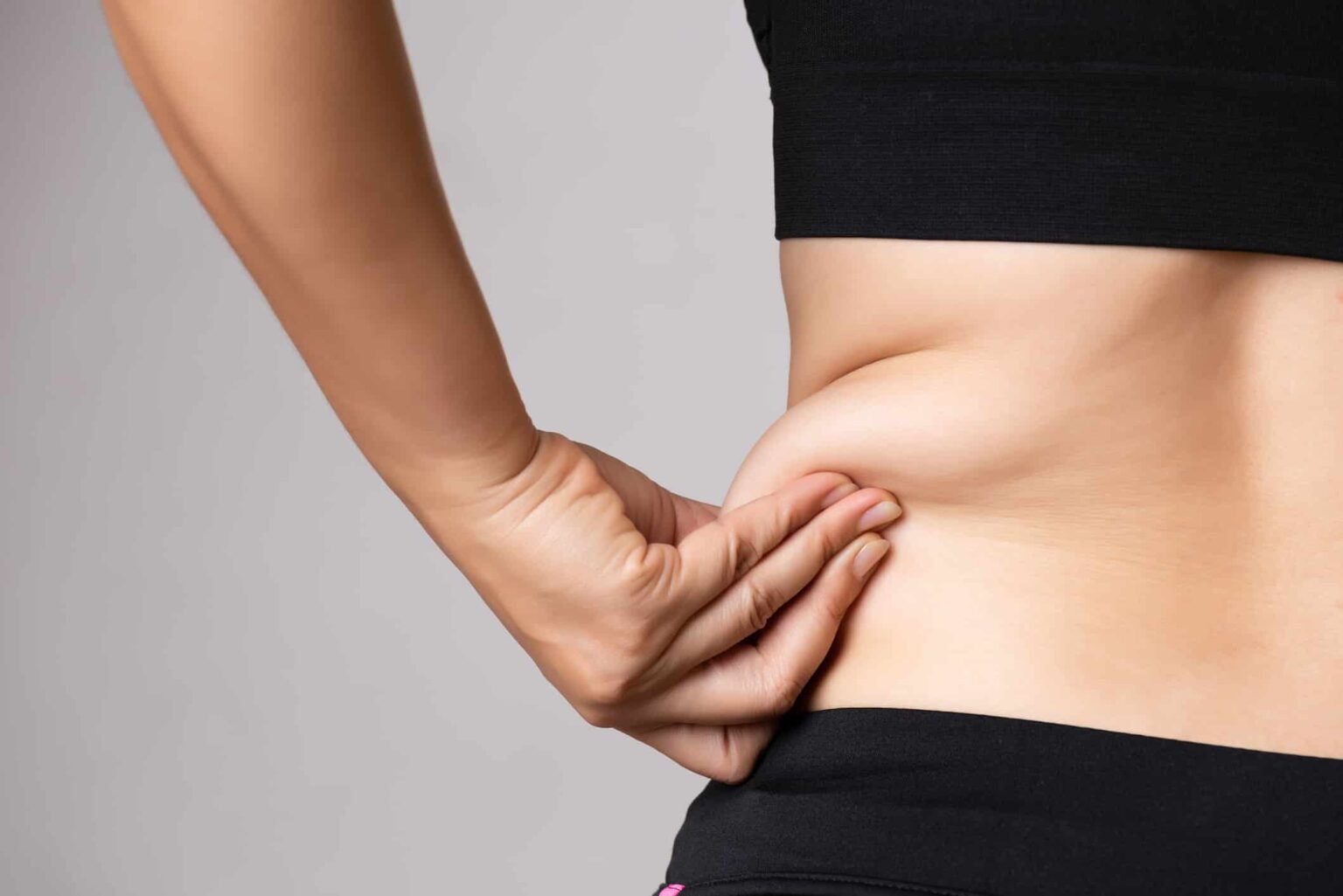
Stubborn fat has a way of ignoring good habits. People clean up their diet, train consistently, lose weight overall, and still find that one area, or three, that refuse to change much. For some, it is the lower abdomen after pregnancy. For others, it is fullness along the flanks, under the chin, around the bra line, or on the outer thighs. That gap between effort and result is usually what brings people to ask about Liposuction Michigan options.
The short answer is yes, liposuction can work very well for stubborn fat. The longer and more useful answer is that it works best for the right problem, on the right patient, with the right expectations. It is not a weight loss procedure, and it is not a cure for loose skin, poor muscle tone, or the metabolic reasons people gain weight in the first place. What it can do, often impressively, is remove localized fat deposits that have proven resistant to diet and exercise.
That distinction matters. A lot of disappointment around body contouring comes from treating liposuction as if it should solve everything. It does not. But when someone is close to their goal weight, has relatively stable habits, and wants to refine shape rather than transform their entire body, it can be one of the most effective tools available.
Why stubborn fat behaves differently
Fat is not distributed evenly, and it does not shrink evenly. Genetics play a major role. Hormones do too. Age changes body composition. Pregnancy changes the abdominal wall and skin. Menopause can shift where fat settles. Even people who are objectively lean can carry persistent pockets in areas that seem almost predetermined.
That is why two people of the same height and weight can look completely different in the mirror. One person may store more around the midsection, another around the hips and thighs, another under the jawline. Exercise helps, but spot reduction in the strict sense is unreliable. You can strengthen the muscles under an area, and you can reduce total body fat, but the exact place your body chooses to hold on longest is often outside your control.
Liposuction works by directly removing fat cells from targeted areas. That is what gives it an advantage over lifestyle changes when the issue is not effort but distribution. A patient might already be doing everything right and still be frustrated by a bulge that does not match the rest of their body. In that case, the problem is often contour, not discipline.
What liposuction actually does
At its core, liposuction is a contouring procedure. A surgeon uses a thin tube called a cannula to break up and remove fat from selected areas. The method may vary. Traditional suction-assisted techniques, tumescent liposuction, ultrasound-assisted systems, and laser-assisted approaches all exist. The details differ, but the goal is the same: reduce volume in a controlled way and create a smoother, more proportional silhouette.
The best results usually come from thoughtful sculpting rather than aggressive removal. Experienced surgeons know that taking too much fat can create dents, waviness, asymmetry, or a harsh, unnatural look. Patients often focus on how much fat can come out. Surgeons tend to focus on shape, transitions, and skin behavior. That difference in perspective is important because a technically successful operation is not just one with a lot of aspirate. It is one that looks balanced months later, in regular clothes, workout wear, and natural light.
Common treatment areas include the abdomen, flanks, thighs, hips, upper arms, back, under the chin, and sometimes the chest in men with excess fatty tissue. Each area behaves a little differently. The neck can show a dramatic change with relatively small-volume removal. The abdomen may require more careful planning because muscle separation, prior surgery, and skin elasticity can all affect the final result.
Does it work for everyone?
No, and this is where judgment matters more than marketing.
If the issue is truly localized fat, liposuction usually works well. If the issue is loose skin, significant abdominal wall laxity, or generalized obesity, results may be limited or disappointing unless other procedures or broader health changes are part of the plan.
A patient in their early 30s with good skin tone and a small lower-belly pouch is very different from a patient in their late 50s with major weight fluctuations, thinning skin, and a protruding abdomen caused partly by muscle separation. Both may say they want their stomach slimmer. Only one may get there with liposuction alone.
The same applies to the outer thighs and arms. Fat can be removed, but if the skin cannot contract well afterward, the area may look deflated rather than tight. In some cases, surgeons recommend combining liposuction with skin tightening technologies or choosing a different operation entirely. Abdominoplasty, arm lift surgery, or a lower face and neck procedure may be more appropriate depending on the anatomy.
That is why honest consultation is everything. The best surgeons do not simply say yes. They explain what liposuction can improve, what it cannot improve, and what trade-offs come with treatment.
The role of skin elasticity
People often underestimate the skin side of the equation. Fat removal is only half the story. Once volume is reduced, the skin has to redrape over the new contour. If it retracts well, results can look sleek and natural. If it does not, the area may remain loose or uneven.
Age is part of that, but not all of it. Smoking history, sun damage, genetics, previous pregnancies, stretch marks, and major weight loss all affect tissue quality. A 45-year-old with excellent skin elasticity may be a better liposuction candidate than a 28-year-old who has undergone repeated large weight swings.
This is especially relevant in Michigan, where many patients want procedures timed around seasons, travel, and clothing changes. Someone may hope to have liposuction in late winter and be beach-ready by summer. That can be realistic, but only if their tissues are likely to heal and settle well. Swelling often lasts longer than patients expect, and areas with poorer elasticity can take months to show their final shape.
Liposuction Michigan: local considerations patients should keep in mind
When people search for Liposuction Michigan, they are often comparing more than one thing at once. They want a capable surgeon, a trustworthy facility, a practical recovery plan, and a treatment timeline that fits work and family life.
Michigan has the same broad standards and options seen in other states, but local logistics matter more than people think. Winter recovery can actually be easier for some patients because compression garments are less uncomfortable under loose clothing, and social calendars can be lighter. On the other hand, icy sidewalks and reduced mobility right after surgery are not a great combination. Summer procedures are popular because people feel more motivated by warm-weather goals, but heat can make compression garments miserable, and swelling may feel more noticeable.
Another local reality is travel. Some patients live outside the Detroit, Ann Arbor, Grand Rapids, or Lansing areas and may need to drive significant distances for consultations and follow-up appointments. That affects planning. If you are sore, wearing a compression garment, and not supposed to drive right away, a two-hour ride home feels different than it does on paper. Recovery support becomes part of the medical decision, not just a convenience issue.
What good candidates usually have in common
The strongest liposuction candidates are not always the thinnest people in the room. They are usually the most stable. Their weight has been fairly consistent. Their goals are specific. They understand contouring versus weight loss. And they are willing to recover properly instead of treating surgery like an errand between meetings.
A few signs usually point in the right direction:
- You are close to a maintainable weight, not in the middle of active weight loss.
- The concern is a defined area of fat, not overall body size.
- Your skin has at least moderate elasticity.
- You can take recovery seriously for several weeks.
- Your expectations are improvement, not perfection.
Someone who says, “I like my overall shape, but these flanks make every pair of pants fit wrong,” is often describing a problem liposuction can help. Someone who says, “I need to lose 50 pounds and thought this might jump-start things,” usually needs a different conversation first.
What the consultation should feel like
A good consultation is specific. It should not feel rushed, and it should not sound like every patient gets the same answer.
The surgeon should examine the area standing up, assess skin quality, ask about weight changes, discuss pregnancies or prior surgery if relevant, and explain what kind of result is realistic. You should hear not only where fat can be removed, but also where restraint matters. Subtle contour transitions are what separate refined results from obvious surgery.
It is also reasonable to expect a discussion about anesthesia, downtime, compression garments, soreness, swelling, scar placement, and the possibility that small asymmetries may remain. Human bodies are not mirrored objects. If one hip is naturally fuller or one side of the lower abdomen is more prominent before surgery, some difference may still exist afterward.
Patients should pay attention to tone as much as content. If a surgeon seems more interested in closing the case than understanding your anatomy and goals, that is a warning sign. The best body contouring plans tend to come from careful, slightly unglamorous conversations, not sales language.
Recovery is where expectations often drift
Liposuction recovery is usually manageable, but it is not nothing. That phrase matters because many patients hear “minimally invasive” and picture a long weekend of inconvenience. Sometimes recovery is that smooth, especially for small areas. Often it is more of a process.
Most people can expect swelling, bruising, drainage from small incision sites early on, soreness that feels deeper than a typical workout, and a need for compression for several weeks. Walking starts early, which is good for circulation and stiffness, but feeling fully normal can take longer than many expect. Desk work may resume within days for some, yet gym routines, sleep positions, and clothing comfort can remain affected for weeks.
The visual timeline also tests patience. You may look leaner quickly, but also puffy, uneven, or numb in spots. That does not mean the outcome is poor. It means healing is underway. In body contouring, the final answer rarely appears on day ten. It unfolds gradually as swelling settles and tissues soften.
One of the most common frustrations is the patient who expected a dramatic before-and-after by a specific event date. Weddings, beach vacations, reunions, and milestone birthdays create hard deadlines, while biology does not. If someone wants liposuction before summer, planning earlier rather than later is wise.
How much change can you realistically expect?
This depends on the area treated, the starting anatomy, and whether other procedures are involved. Small-volume neck liposuction can make the jawline appear sharper in a way that feels surprisingly meaningful. Abdominal liposuction can improve waist definition and reduce fullness, but it will not create visible six-pack lines on a person without the underlying muscle tone and tissue characteristics for that look.
That gap between improved and transformed is important. Many strong results are less dramatic in photos than they are in daily life. Pants fit better. Waistbands stop digging into one spot. A tucked-in shirt sits more cleanly. The body looks more proportional from the side. Those changes may not always read as “surgery” to other people, but they often feel substantial to the person living in that body.
It is also worth saying that liposuction cannot stop future weight gain. Fat cells removed from treated areas are gone, but remaining fat cells can still enlarge. If someone gains a significant amount of weight afterward, the contour can change. Often the treated area still looks somewhat improved relative to baseline, but maintenance matters.
Risks and the less glamorous truths
Every surgery has risk, and liposuction is no exception. The risk profile varies with treatment area, total volume removed, medical history, and whether multiple procedures are combined. Bruising, swelling, contour irregularity, numbness, fluid collections, infection, asymmetry, and anesthesia-related issues are part of the informed consent discussion for a reason.
The less glamorous truth is that revision surgery exists because contouring is nuanced. Even in good hands, healing can be unpredictable. Some patients scar internally more than expected. Some retain swelling longer. Some areas settle unevenly before improving with time. A surgeon can control technique, but not every aspect of tissue behavior.
That is another reason to avoid choosing based on price alone. Low quotes can be tempting, especially for patients comparing packages online, but Liposuction Michigan body contouring is one of those areas where experience shows up in the details. Symmetry, proportion, smoothness, and judgment about how much to remove are not commodities.
Liposuction versus non-surgical fat reduction
This comparison comes up constantly, and the answer depends on the goal.
Non-surgical fat reduction can be appealing because it avoids surgery, but it usually produces subtler results and may require multiple sessions. For a patient who wants a mild improvement and has no interest in downtime, that can be perfectly reasonable. For a patient who has a clear, noticeable fat pocket and wants a more definitive contour change, liposuction usually delivers more reliably.
The trade-off is obvious. Surgery asks more of you upfront. It comes with recovery, compression, and procedural risks. In exchange, it tends to provide greater precision and more visible change in one treatment plan. Non-surgical options ask less in the short term but may test patience and may not reach the level of correction some patients have in mind.
A useful way to think about it is this: if your complaint is small and your expectations are modest, a non-surgical route may be enough. If your complaint is specific and longstanding, and you are ready for a real intervention, liposuction is often the stronger tool.
Questions worth asking before moving forward
Patients do better when they ask direct, practical questions. Not just “How much does it cost?” but “What kind of result is realistic on my body?” and “What happens if my skin does not tighten the way we hope?”
These are especially useful to bring into a consultation:
- Am I a good candidate for liposuction alone, or do I need another procedure to address loose skin or muscle laxity?
- Where do you think my best improvement will come from, and where are the limits?
- What should I expect at two weeks, six weeks, and three months?
- How often do you perform liposuction on this specific area?
- If minor irregularities or asymmetry develop, how are they handled?
Good surgeons usually welcome these questions. They give shape to the decision and help patients compare consultations on substance rather than vibes alone.
Cost, value, and what patients often overlook
Pricing for Liposuction Michigan cases varies widely based on the area treated, whether multiple regions are addressed, the facility, anesthesia, and the surgeon’s experience. Exact numbers change over time and by market, so broad ranges are more honest than pretending there is a universal fee.
What patients often overlook is the difference between sticker price and total value. Recovery supplies, time off work, child care, travel for follow-ups, and the possibility of needing more than one area treated all affect the real cost. A lower quote from farther away may not be cheaper once logistics are added in. A more expensive surgeon who gives a better plan and lowers revision risk can be the more economical choice in the long run.
There is also emotional value in getting the right operation the first time. People remember bad body contouring for years because they see it every day. The cheapest route is not always the least expensive experience.
So, does it work?
For stubborn fat, yes, often very well. That is why liposuction has remained relevant despite decades of changing trends in aesthetics. Localized fat is one of the few body concerns where a targeted procedure can make a clear structural difference.
But the procedure works best when the question is precise. Not “Can surgery make me into a different person?” but “Can this remove a persistent area of fat and improve my proportions?” That is a realistic question, and in many properly selected patients, the answer is yes.
If you are considering Liposuction Michigan providers, the smartest next step is not chasing the flashiest before-and-after gallery. It is finding a board-certified plastic surgeon who can look at your anatomy honestly, explain what is driving the area that Liposuction Michigan bothers you, and tell you whether liposuction is the right fix, a partial fix, or the wrong tool altogether.
That kind of clarity is usually what separates satisfaction from regret. Stubborn fat is real. So are the limits of surgery. When those two truths are respected at the same time, liposuction can be remarkably effective.
Aesthetic Plastic Surgery & Laser Center, Michelle Hardaway M.D.
27920 Orchard Lake Rd, Farmington Hills, MI 48334, United States
+1 248-221-1957
FAQ About Liposuction Michigan
Is 55 too old for liposuction?
Age 55 alone does not determine suitability. A surgeon evaluates overall health, skin quality, healing risks, and realistic goals. A personal consultation is needed to assess candidacy and discuss alternatives.
What happens 10 years after liposuction?
Contour improvements can last, especially with stable weight. Aging, pregnancy, and weight changes can alter the appearance over time. Results vary, and liposuction does not prevent future body changes.
Can lipo get rid of an apron belly?
Liposuction reduces localized fat but does not remove hanging excess skin. An apron belly may require assessment for a skin-removal procedure instead of, or alongside, fat removal. A qualified plastic surgeon can explain appropriate options and their risks.