Column · @rylanrpsl496
What to Wear After Liposuction Farmington Hills Surgery
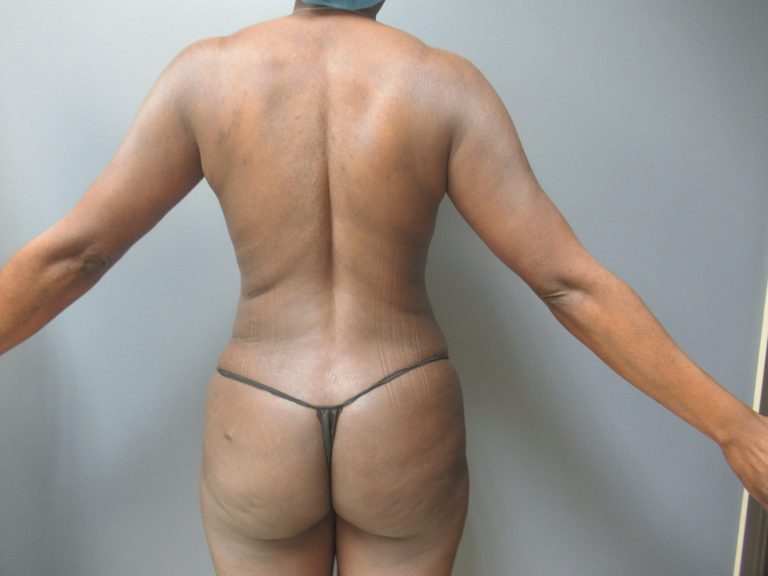
What you wear after liposuction matters more than most patients expect. People often focus on the surgery date, the ride home, and how many days to take off work, then realize afterward that getting dressed suddenly feels like part of recovery itself. The right clothing can make swelling easier to manage, reduce friction on tender areas, help you feel more secure in compression garments, and spare you a lot of unnecessary discomfort during the first few weeks.
That is especially true when treatment areas include the abdomen, flanks, thighs, arms, back, or under the chin. Each area changes the clothing equation a little. A patient who had abdominal contouring has different needs than someone recovering from thigh liposuction, and both differ from someone who had small-volume treatment under the chin. The basics stay consistent, though. After Liposuction Farmington Hills procedures, comfort, support, ease of movement, and protection of healing tissue should drive every wardrobe choice.
Most patients are surprised by two things. First, swelling can make your usual “comfy clothes” feel oddly restrictive. Second, anything hard, tight, or difficult to pull on becomes irritating very quickly. Zippers, stiff waistbands, compressive athletic leggings that seemed soft before surgery, and fitted jeans can all feel like terrible decisions once the numbness wears off and post-operative tenderness sets in.
The first rule, dress for recovery, not for shape
Right after surgery, your body is in recovery mode. Even when liposuction is straightforward and patients are walking the same day, the treated areas are inflamed, sensitive, and often draining small amounts of fluid for a short period. Compression garments are usually part of the plan, and they influence everything you wear over them.
That means the goal is not to “show off” results immediately or squeeze into your usual silhouette. In the early phase, clothes need to work with swelling, dressing changes, and limited mobility. If a top requires you to lift your arms overhead and you had arm or back liposuction, it may be technically wearable but practically miserable. If pants have a firm seam crossing your lower abdomen after abdominal liposuction, you may dread putting them on by the second hour.
A lot of patients do better when they think in layers. The compression garment is the foundation. Everything else should glide over it, not bunch it, twist it, or press it into the wrong places. That sounds simple, but it takes a little planning.
Compression garments come first
Your surgeon’s instructions always outrank general advice. If you were given a specific post-surgical garment, wear that as directed. If your care team recommends a faja, binder, arm sleeve, chin strap, or stage-specific compression garment, that recommendation exists for a reason. Post-operative compression is not just about aesthetics. It can help control swelling, support tissues as they settle, and make movement feel more comfortable.
Patients sometimes assume tighter is better. It usually is not. Good compression should feel supportive and snug, not painfully restrictive. A garment that digs, rolls, leaves sharp grooves, or makes breathing uncomfortable needs attention. Too much pressure in the wrong area can be counterproductive and miserable. Too little support can leave you feeling sore and unstable.
What you wear over compression matters because the garment already adds bulk and warmth. If you try to layer fitted clothes on top, you can end up with friction, overheating, and visible bunching. Softer outer layers solve most of that.
The best fabrics in the first few weeks
Fabric choice is not glamorous, but it can make the difference between a smooth recovery day and one where you feel irritated from morning to night. Soft cotton, modal, bamboo blends, washed jersey, and lightweight fleece usually perform well. These fabrics tend to breathe, stretch, and move gently over the skin.
On the other hand, stiff denim, rough seams, scratchy synthetics, and heavily compressive activewear often cause problems. The issue is not that these materials are Liposuction Farmington HIlls inherently bad. It is that healing tissue has little patience for pressure points. Areas treated with liposuction can be numb in some spots and extra sensitive in others. A fabric that rubs repeatedly at the same place can become surprisingly annoying.
I have seen patients insist they would “just wear leggings” after surgery, only to realize those leggings compressed them in all the wrong places. Most off-the-rack leggings are designed for workout support, not post-surgical recovery. Their waistbands often cut across the lower abdomen or hips, and their seams may cross exactly where bruising and swelling are worst.
Loose does not mean shapeless
One of the most common misconceptions is that recovery clothing needs to be oversized to the point of sloppiness. Extremely baggy clothing can actually create its own problems. Pants that slide, bunch, or require frequent tugging become irritating. Tops that hang too heavily may drag against sore areas. Robes can work well at home, but some are bulky and awkward if you are moving carefully or checking incisions.
The sweet spot is relaxed, easy-fitting clothing with structure where you need it. Think soft joggers with a forgiving waistband, knit dresses that do not cling, button-front shirts, roomy zip hoodies, and pajama-style sets that are polished enough for a follow-up appointment. You want clothing that gives you room without forcing you to constantly adjust it.
For many patients, a small recovery capsule wardrobe is enough. A few dependable outfits usually beat a closet full of “maybe this will work” pieces.
- Front-opening tops such as button-down shirts, zip hoodies, or soft cardigans
- Relaxed drawstring or elastic-waist pants with a wide, gentle waistband
- Loose T-shirts or tunics in soft, breathable fabric
- Slip-on shoes with stable soles
- Extra underwear or liners if your surgeon says temporary drainage is expected
That list covers a lot of ground because the principles are practical. The front-opening top avoids overhead motion. The soft waistband avoids digging into swollen tissue. Slip-on shoes matter more than people think because bending can feel awkward for a while, especially after abdominal or flank liposuction.
What to wear home on surgery day
The trip home deserves its own strategy. You want an outfit that goes on easily, accommodates bandages and compression, and feels comfortable in the car. This is not the day for fitted athleisure, jumpsuits, bodysuits, or anything with complicated closures.
If surgery involved the abdomen, flanks, or back, loose pants with a soft high-rise waistband are usually more comfortable than low-rise styles. Low-rise pants tend to hit exactly where swelling settles. If you had thigh liposuction, choose pants wide enough through the leg that they do not catch or drag while dressing. For arm liposuction, a roomy front-zip sweatshirt or button-up shirt usually beats a pullover.
Dark colors can be helpful right after surgery because minor fluid drainage can happen, depending on technique and timing. This is normal in many cases, but it is still something patients appreciate planning for in advance. A dark, soft outfit saves worry during the ride home.
The first week, function wins
During the first week, the right outfit is the one you can put on without wrestling with it. Swelling often peaks during this early stretch, bruising can look dramatic, and simple movements may feel stiff. Patients who choose comfort early tend to have a less stressful recovery than those who keep trying to dress as if nothing happened.
This is also when little details matter. Seams crossing incision sites can sting. Tight waistbands can make you feel more swollen than you are. Fabrics that trap heat can become unbearable if you are wearing compression all day. Even getting in and out of clothes should be considered. If you need to twist, step in awkwardly, or pull forcefully, that item is probably not worth it.
For many people, this phase is best handled with very simple pieces worn on rotation. You do not need a special post-surgical fashion identity. You need clothes that let you rest, walk around the house, attend follow-up visits, and sleep with minimal fuss.
Sleeping clothes matter more than daytime clothes
Patients often spend a lot of energy planning what to wear out of the house and very little thinking about what to sleep in. That is backwards. You will spend more hours sleeping or resting than doing anything else during the early recovery window.
Sleepwear should be breathable, soft, and easy to adjust around your compression garment. If you tend to get warm, avoid heavy fleece and thick waistbands. If you run cold, choose light layers rather than one bulky one. Night sweats, temperature fluctuations, and general post-operative discomfort are common enough that flexibility helps.
For abdominal and flank liposuction, many patients prefer a long, loose sleep shirt or a soft two-piece set with a gentle waistband that sits well over the garment. For thigh liposuction, wide-leg pajama pants can be more comfortable than tapered joggers that catch around the knees and calves. If you had upper body areas treated, make sure your sleep top does not require much shoulder movement.
Dressing for different treatment areas
The area treated changes your best clothing options.
Abdominal liposuction usually makes waistbands the main issue. Patients do best in pants or shorts with broad, soft support that do not bite into the midsection. Mid-rise or high-rise styles often work better than low-rise, but only if the waistband is forgiving. A stiff high-rise band can be worse than a soft mid-rise one.
Flank or lower back liposuction often makes sitting pressure more noticeable. In those cases, softer pants and smoother seams matter. Anything with a thick back waistband or decorative hardware can become irritating in the car or at a desk.
Thigh liposuction is where people often underestimate friction. Skinny pants, narrow-leg joggers, and clingy leggings can all be frustrating. Recovery tends to go better when the fabric skims the legs instead of hugging them. Even if swelling is moderate, the sensation of fabric rubbing repeatedly against tender thighs can wear you down by the afternoon.
Arm liposuction can make overhead dressing cumbersome. Tops that open in front save effort. Sleeves should be roomy enough to fit over compression if you are wearing it. Tight cuffs can create pressure points around swelling.
Chin or neck liposuction usually has the least impact on full-body clothing, but collars matter. Avoid turtlenecks, stiff mock necks, and tops that rub under the jaw if you are wearing a chin strap or have tenderness in that area.
When can you wear normal clothes again?
There is no single timeline because recovery varies by patient, treatment area, surgical technique, and how much volume was addressed. Some people start wearing more familiar outfits after a week or two, especially if they can choose softer versions of their normal style. Others need longer before structured pants, bras, fitted dresses, or office wear feel comfortable.
What patients often call “normal clothes” is really two categories. One is socially normal, clothes you can wear to errands or work without looking like you are in recovery. The other is physically normal, clothes that feel exactly the way they did before surgery. The first category returns sooner than the second.
A common mistake is using the scale or mirror to decide clothing readiness. Swelling does not always show in a dramatic way, but your body still feels it. If you put on a fitted item and spend the next six hours aware of every seam, your body is giving you useful information. Wait a few more days and try again.
Returning to work without feeling uncomfortable
Patients going back to work after Liposuction Farmington Hills treatment often want to know how to look polished without aggravating recovery. The answer depends partly on dress code. A casual office is easier than a formal one, but both are manageable with planning.
Soft knit dresses can work well because they avoid waist pressure and look put-together with minimal effort. Loose trousers with a smooth elastic back waistband can pass for tailored pants if paired with a structured top. Blouses that button or drape gently are usually more forgiving than fitted shells or crisp tucked shirts.
If your job involves a lot of sitting, test your outfit at home first. Sit in it for 20 to 30 minutes. If the waistband starts bothering you or the fabric pulls across swollen areas, choose something else. It is better to discover that in your bedroom than halfway through a workday.
For patients who must wear uniforms, the challenge is sometimes harder. In those cases, ask your surgeon how long you may need modified clothing or accommodation. A temporary adjustment in fit or layering can make a real difference.
Bras, underwear, and the small things that cause big irritation
Undergarments deserve more attention than they usually get. A bra band that sits on a tender upper abdomen or rib area can become unbearable after torso liposuction. Underwire is often a bad idea early on, especially if treated areas are nearby. Soft bras, recovery bras, or supportive wireless styles are usually easier to tolerate.
Underwear should be simple, breathable, and non-binding. People often reach for shapewear because they want to feel “held in,” but unless your surgeon specifically recommends a garment, random shapewear is usually the wrong tool. It compresses inconsistently, creates pressure lines, and can interfere with the comfort and position of your prescribed post-surgical garment.
Even socks matter. If bending is difficult, choose pairs that are easy to put on. If your feet are slightly puffy from decreased activity or fluid shifts, tight ankle elastics can feel more noticeable than usual.
Shoes should be easy and steady
Footwear is rarely the first question, but it should be. Slip-on shoes with good grip are one of the smartest recovery choices you can make. After liposuction, especially around the abdomen or thighs, balancing while tying sneakers can feel more awkward than expected. Shoes that are stable and easy to step into reduce effort and lower the chance of a clumsy moment when you are sore and moving carefully.
This does not mean flimsy slippers. You want support. A secure slide, a backless sneaker you can step into, or another stable slip-on option usually works well. Heels can wait. So can boots that require force to pull on.
What to avoid, even if it seems harmless
Some wardrobe choices create trouble despite sounding reasonable at first. Most problems come from pressure, friction, heat, or difficult dressing mechanics.
- Tight jeans or rigid pants, even if they are one size up
- High-compression leggings or shapewear not specifically recommended by your surgeon
- Pullovers that require strong overhead arm movement after upper body treatment
- Rough seams, lace edges, or decorative details over sore areas
- Shoes that require bending, tying, or balancing when you are stiff
Patients sometimes push these items too early because they are eager to feel normal. That urge is understandable. But clothes that fight your recovery tend to make the day feel longer and your body feel more inflamed.
Warm weather and cold weather require different strategies
Season matters. Recovering in summer can be harder because compression garments are warm, and layering on top of them can leave you overheated fast. In hot weather, breathable fabrics become even more important. Loose dresses, airy button-front shirts, lightweight joggers, and moisture-managing basics are often worth buying specifically for recovery if your wardrobe leans heavily toward denim or structured pieces.
Winter creates the opposite challenge. Patients may pile on bulky layers, then discover those layers add pressure and friction. A better strategy is light, soft layers that trap warmth without weight. Think a breathable base over compression, then a cardigan or zip hoodie, then a coat roomy enough not to compress treated areas.
If you live in Michigan, this practical point matters. Recovery after Liposuction Farmington Hills surgery may happen in any season, and local weather can swing quickly. Have at least a couple of options ready for both indoor comfort and outdoor errands.
A realistic timeline for wardrobe planning
The smartest time to plan your recovery clothes is before surgery, not when you are tired and swollen afterward. Set aside a small section of your closet or dresser with pieces that are soft, clean, and easy to access. Wash them in advance. Put shoes by the door. Keep a few backup tops nearby if drainage or ointment means you want a quick change.
Patients who prepare this way usually feel more in control. It is not vanity. It is logistics. When your body is healing, reducing unnecessary decisions helps.
If I had to give one broad piece of wardrobe advice, it would be this: buy or gather for comfort first, then appearance second. The appearance part catches up quickly. The comfort part determines how manageable those early days feel.
The right clothes can support confidence, too
There is a quieter side to all of this. What you wear after surgery affects not just physical comfort but also mood. Recovery can be awkward. You may feel swollen, stiff, bruised, and not yet able to appreciate your final result. Clothing that fits your healing body well can make you feel more composed during that in-between stage.
That does not mean dressing up for the sake of it. It means choosing pieces that help you feel clean, secure, and like yourself. A matching lounge set, a soft robe that does not slip, a well-cut button-down, or a flattering knit dress can lift the day more than patients expect. Recovery is medical, but it is also deeply personal.
The best post-liposuction wardrobe is not elaborate. It is thoughtful. It respects swelling, protects sensitive areas, works with compression, and lets Liposuction Farmington HIlls michellehardawaymd.com you move through the day without fighting your clothes. When patients get that part right, they tend to feel more comfortable, more confident, and more able to focus on healing instead of adjusting waistbands and regretting their outfit choices.
Aesthetic Plastic Surgery & Laser Center, Michelle Hardaway M.D.
27920 Orchard Lake Rd
Farmington Hills, MI 48334
(248) 221-1957
FAQ About Liposuction Farmington Hills
What disqualifies you from getting liposuction in Farmington Hills?
A surgeon may recommend postponing or avoiding liposuction if a health condition, medication, or nicotine use raises the risk of surgery or poor healing. A consultation is needed to assess your medical history and whether the procedure fits your goals.
Can liposuction remove 20 pounds?
Liposuction is a body contouring procedure for localized fat. It is not a weight loss treatment, and a specific number of pounds is not a safe or useful target. The surgeon determines how much can be removed safely for each patient.
What are the risks of liposuction?
Risks include infection, changes in sensation, uneven contours, and complications from anesthesia or blood clots. A plastic surgeon can explain which risks apply to you and what to expect during recovery.