Column · @rylanrpsl496
Why More Residents Are Exploring Body Contouring Farmington Hills

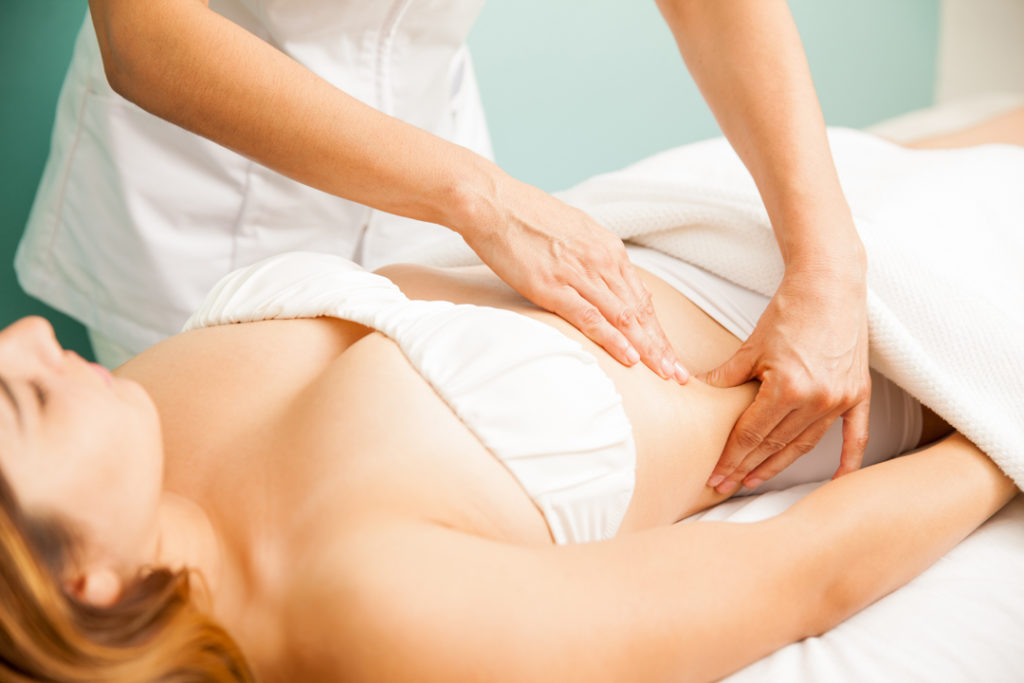
The conversation around body contouring has changed in noticeable ways over the last few years. It used to sit in a narrow category, something people associated only with dramatic cosmetic change or celebrity culture. That is no longer how most residents in Farmington Hills seem to approach it. For many, the interest is practical. They have lost weight and want their shape to reflect the effort. They have had children and feel strong, healthy, and still frustrated by one or two stubborn areas. They work out consistently, eat reasonably well, and know from experience that the body does not always respond evenly.
That shift matters because it says something larger about how people think about personal care. Aesthetic decisions are becoming less about chasing perfection and more about alignment. People want the outside to match the way they feel on the inside. In a community like Farmington Hills, where schedules are full and expectations are high, it makes sense that residents are looking for options that are measured, realistic, and tailored to individual goals.
Interest in Body Contouring Farmington Hills is not coming from one age group or one type of patient. It is showing up among professionals in their thirties, parents in their forties, active adults in their fifties, and older residents who simply want to feel more comfortable in their clothes. The common thread is rarely vanity in the shallow sense. More often, it is frustration with a specific issue that has not improved despite effort.
The local appeal is rooted in realism
Farmington Hills is not a place where most people have endless downtime. People tend to weigh decisions carefully. They ask practical questions. How long is recovery? Will results look natural? Is the treatment worth the expense? Can I return to work quickly? Those are not the questions of someone chasing a trend. Those are the questions of someone trying to fit a meaningful decision into a real life.
That practical mindset helps explain why body contouring has become more appealing. Modern contouring options often offer a wider range of choices than people expect. Some are non-surgical and involve little to no downtime. Others are surgical and better suited for people who need more significant reshaping. Patients are not just hearing one generic promise. They are hearing that there are different tools for different bodies and different goals.
A resident who wants to address mild fullness under the chin is not looking for the same solution as someone dealing with loose abdominal skin after major weight loss. Likewise, a patient who has a wedding in two months will care about timing in a way that another patient may not. Good providers understand these distinctions, and patients increasingly do too. That growing sophistication is one reason the category feels less intimidating than it once did.
People are more informed than they used to be
Ten or fifteen years ago, many people walked into consultations with vague ideas and a lot of misinformation. Now they often arrive having read about treatment types, expected outcomes, and common recovery timelines. That is not always perfect knowledge, of course. The internet still has a way of flattening nuance. But better baseline awareness tends to lead to better questions.
People also understand more clearly that body contouring is not the same as weight loss. That distinction is critical. A thoughtful consultation usually begins with the same premise: if the goal is large-scale weight reduction, body contouring is not the first step. But if the issue is contour, skin laxity, or pockets of fat that remain after weight has stabilized, then contouring may be appropriate.
That difference may sound obvious to clinicians, but it is one of the most important mindset changes in the public. Residents are not necessarily expecting a treatment to transform every aspect of their body. Many are focused on one area, sometimes two. The abdomen after pregnancy. The flanks that do not budge. The upper arms that make fitted sleeves less comfortable. The under-chin fullness that affects profile photos and video calls.
Once patients understand that body contouring is about shape rather than broad weight loss, expectations tend to improve. And when expectations improve, satisfaction often follows.
The post-weight-loss factor is significant
One of the strongest drivers behind the rise in interest is weight loss, especially sustained weight loss. Whether it comes from lifestyle changes, structured medical programs, or bariatric surgery, the result can bring a complicated mix of pride and frustration. Patients may feel better, move better, and have healthier lab numbers, yet still feel held back by loose skin or areas of residual fullness.
This is where body contouring becomes more than cosmetic in a casual sense. It can mark the final stage of a long health journey. I have seen people describe it not as a reward, but as closure. They worked for months, sometimes years, and they want their body to look more proportionate to the effort they invested.
That does not mean every post-weight-loss patient is automatically a candidate. Timing matters. Weight stability matters. Skin quality matters. Overall health matters. But the desire itself is understandable. If someone has gone from a size 18 to a size 8 and still feels uncomfortable in fitted clothing because of loose skin around the midsection, it is not hard to see why they would seek a consultation.
Farmington Hills and surrounding communities have plenty of residents who take health seriously. As more people pursue long-term weight goals, more of them naturally reach the point where they start considering contouring options.
Pregnancy and midlife changes are another major reason
A second large group includes women who are not trying to become a different person. They simply want to reclaim a body that changed in specific, stubborn ways. Pregnancy is often the turning point. Even after returning to pre-pregnancy weight, the abdomen may not behave the same. Skin can loosen. Muscle separation may create a persistent bulge. The waistline may thicken in ways that exercise alone does not fully resolve.
Then there is midlife. Hormonal shifts can redistribute weight. Recovery from workouts may slow. People who once saw results quickly from diet adjustments may find that the same habits no longer produce the same shape. This can be frustrating, particularly for residents who are already active and disciplined.
The demand for Body Contouring Farmington Hills often comes from this exact space between healthy living and lingering dissatisfaction. Not because people have given up on exercise, but because they understand its limits. There is a point where another ten thousand steps a day may improve endurance, mood, and cardiovascular health, yet still do little for skin laxity or a small but persistent fat pocket.
That recognition is not defeatist. It is accurate.
Non-surgical options lowered the barrier to entry
Another reason more residents are exploring body contouring is simple: the category no longer begins and ends with surgery. For many people, the idea of a surgical procedure, anesthesia, scars, and recovery is enough to stop the conversation before it starts. Non-surgical technologies changed that.
Now a patient can ask about contouring without committing to an operation. Depending on the concern, they may discuss fat reduction, muscle toning, skin tightening, or combinations of these approaches. Not every treatment works equally well, and not every patient is a fit, but the existence of lower-commitment options opens the door for people who would never have considered body contouring in the past.
This has also changed the emotional tone of consultations. People often feel more comfortable learning when they know the first answer does not have to be surgery. A good consultation can compare likely outcomes honestly. If someone has mild fullness and good skin tone, a non-surgical option may be reasonable. If someone has significant loose skin after substantial weight loss, a non-surgical approach may not deliver meaningful change. That kind of clarity builds trust.
Surgical options still matter, especially when precision matters
Non-surgical treatments get a lot of attention, but surgical contouring remains important for one reason: it can address issues that devices cannot solve well. Excess skin is the clearest example. There is no machine that removes a large amount of loose skin with the same reliability as surgery. The same is true when someone wants more dramatic reshaping or has several concerns that require direct correction.
What has changed is not that surgery disappeared. It is that patients are more selective and better informed about when surgery makes sense. They ask sharper questions about scarring, recovery timelines, compression garments, drains, discomfort, time off https://trentoneber751.fairmontdigest.com/posts/how-body-contouring-farmington-hills-helps-target-stubborn-areas work, and the realistic appearance of results at six weeks versus six months.
Those details matter because body contouring is rarely an overnight gratification category. Swelling can linger. Final shape can take time to declare itself. The best surgical candidates are often the ones who understand that recovery is a process, not a quick photo reveal.
That does not make surgery less appealing. In many cases it makes it more appealing, because patients know what trade they are making. More downtime, yes. More dramatic change, often yes as well.
Social visibility has changed expectations
It would be unrealistic to talk about this topic without mentioning social visibility. People see themselves more often now. Video meetings, social media photos, front-facing phone cameras, fitness tracking apps, and constant documentation all create more visual awareness. Sometimes that helps. Sometimes it makes people hypercritical.
The residents making the best body contouring decisions are usually not the ones reacting to one bad photo. They are the ones who have noticed a consistent concern over time. The issue bothers them in different settings, in different clothes, and across different seasons. It is not a passing mood.
That distinction matters. Quick emotional decisions tend to age poorly. Longstanding, well-considered concerns are more likely to lead to treatments that feel worthwhile.
There is also a quieter influence at work. People are talking more openly with trusted friends about cosmetic procedures than they used to. The language is less secretive. Instead of whispered admissions, people now say things like, “I had a treatment for my lower abdomen after losing weight,” or “I finally addressed my neck because it always bothered me on camera.” Familiarity reduces fear. When someone you know had a balanced, natural-looking result and a reasonable recovery, the idea becomes less abstract.
Residents are looking for customization, not a standard package
One of the biggest reasons for the growing interest in body contouring is that good providers no longer treat every patient the same. Body shape, skin elasticity, fat distribution, scar tolerance, activity level, and budget all affect the right plan.
That may sound obvious, but in practice it changes everything. Two patients can have almost identical complaints and need different solutions. One may benefit from localized fat reduction because the skin is firm. Another may need skin tightening or a surgical correction because the skin has lost elasticity. A third may be told that the expected improvement is too modest to justify treatment right now.
That last point deserves emphasis. A trustworthy consultation does not end with every patient being pushed into a procedure. Sometimes the best advice is to wait. Sometimes it is to stabilize weight for six more months. Sometimes it is to continue strength training first. Sometimes it is to address posture, core function, or general fitness before deciding.
Residents tend to appreciate that kind of candor. It aligns with the practical culture of the area and often leads to better long-term relationships between patient and provider.
What people usually want to know before booking a consultation
When interest moves from curiosity to action, the questions become very concrete. Most patients are trying to figure out whether treatment fits their life, not just their body.
Here are the questions that usually matter most:
- Am I a good candidate at my current weight and health status?
- What kind of result is realistic for my specific area of concern?
- How much downtime, swelling, or bruising should I expect?
- How long will it take before I can see the final outcome?
- If I do nothing, is this area likely to stay the same, improve, or worsen?
Those questions often reveal more than a simple “How much does it cost?” because they get to the heart of value. A treatment is only worth pursuing if it matches the patient’s anatomy, expectations, schedule, and tolerance for recovery.
Cost is part of the decision, but rarely the whole decision
Price always matters, and it should. Body contouring is an elective service. People have every right to weigh financial considerations carefully. What tends to surprise first-time patients is that cost alone is a poor comparison tool unless they also understand what is included and what result range is realistic.
A lower price may reflect fewer treatment sessions, less provider involvement, or a treatment that is simply not the best match for the concern. A higher price does not guarantee excellence either. The meaningful question is whether the recommended approach has a strong chance of delivering the improvement the patient wants.
People in Farmington Hills are often balancing treatment cost against recovery cost too. A procedure that requires ten days off work may be less practical than one with a slightly higher upfront fee but less downtime. A parent managing school schedules and sports practices may value predictability more than anything else. Someone with a public-facing job may care intensely about visible bruising or swelling. These are not minor details. They can determine whether a treatment is manageable or disruptive.
The best candidates usually share a few qualities
Across treatment types, successful body contouring patients often have a similar mindset. They are healthy or actively working toward better health. Their weight is relatively stable. Their goals are focused. They understand that contouring improves shape but does not create a fundamentally different body. They are willing to follow aftercare instructions, which sounds simple but affects outcomes more than many people realize.
A patient who expects a perfectly flat abdomen after one non-surgical session despite significant skin laxity is setting themselves up for disappointment. A patient who understands that a modest treatment may soften fullness and improve clothing fit, but not erase every contour issue, is likely to judge the result more fairly.
That is another reason interest is rising. The public conversation is maturing. More residents now understand the spectrum between small refinement and major transformation.
Choosing a provider has become part of the education process
As demand grows, so does the need for discernment. A strong provider should be able to explain not just what they recommend, but why. They should discuss alternatives, limitations, and expected timelines without overselling. If before-and-after photos are shown, they should represent realistic cases, not just ideal outliers. If multiple sessions are likely, that should be clear from the start. If maintenance may be needed, that should be part of the initial conversation.
A few practical signs help patients separate a thoughtful consultation from a sales pitch:
- The provider asks detailed questions about weight history, health, and goals.
- They explain what the treatment cannot do, not just what it can do.
- They discuss recovery honestly, including the inconvenient parts.
- They tailor recommendations rather than steering every patient to one option.
- They welcome time to think, instead of pressuring for same-day decisions.
Residents exploring Body Contouring Farmington Hills tend to do well when they approach consultations with the same level-headedness they would bring to any meaningful medical or aesthetic decision. The right treatment can be genuinely satisfying, but only when it starts from a realistic assessment.
Why the trend is likely to continue
The increase in interest does not look temporary. Several forces are moving in the same direction. More people are maintaining weight loss and wanting the next step. More patients know the difference between contouring and weight reduction. More treatment options exist across different levels of invasiveness. More residents have seen natural-looking results in people they know. And more providers are framing body contouring as individualized care rather than a one-size-fits-all makeover.
There is also a broader cultural change toward investing in quality of life. Feeling comfortable in clothing, liking your profile in photos, or no longer fixating on one area every time you get dressed may sound small to an outsider. To the person living with that frustration every day, it is not small at all.
That is the real reason more residents are exploring body contouring. They are not necessarily chasing dramatic reinvention. Many are seeking proportion, comfort, and closure. They want choices grounded in anatomy, honesty, and practicality. When those elements are present, body contouring stops feeling like an abstract luxury and starts feeling like a reasonable option for the right person, at the right time, for the right reason.
Aesthetic Plastic Surgery & Laser Center, Michelle Hardaway M.D.
Address: 27920 Orchard Lake Rd, Farmington Hills, MI 48334
Phone number: +12482211957
FAQ About Body Contouring Farmington Hills
What does body contouring actually do?
Body contouring (or body sculpting) eliminates stubborn localized fat, tightens loose, sagging skin, and reshapes your silhouette. It is not a weight-loss tool, but rather a cosmetic procedure used to refine and tone specific trouble spots after major weight loss, pregnancy, or aging.
How much does body contouring usually cost?
The total cost of body contouring usually ranges from $2,000 to $25,000+ depending entirely on whether you choose non-surgical sessions or major surgical procedures.
Because "body contouring" covers everything from simple fat-freezing to comprehensive post-weight-loss surgeries, pricing is heavily categorized by the method used.
What is the best type of body contouring?
Liposuction is a huge topic and worth discussing in more detail, but in terms of body contouring and sculpting, nothing does the job better than liposuction, particularly VASER liposuction.